Steve Jobs Wasn’t Alone
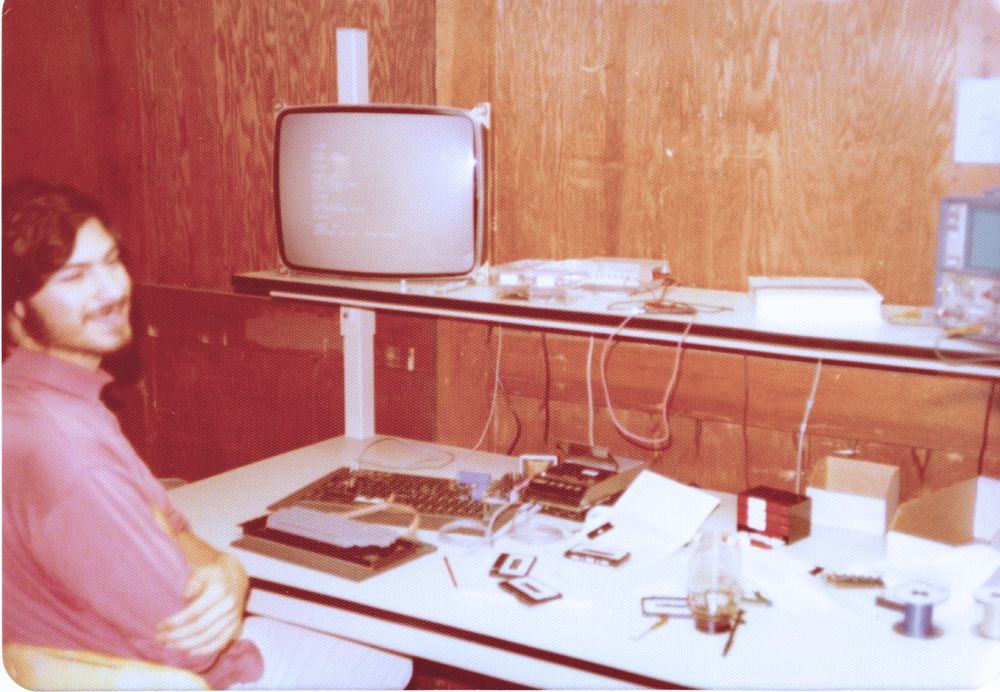
Steve Jobs passed away 15 years ago today, on October 5, 2011, but the story of Apple really begins with a partnership—not with a single founder standing alone. It begins with Steve Jobs and Steve Wozniak, two very different young men whose contrasting talents made each other more powerful.
Apple turned 50 this year, an extraordinary milestone for a company that began as a small operation built around the personal computer idea before personal computer was even a normal phrase. The company’s early history is often reduced to the familiar image of Jobs in a garage, staring into the future and willing the world to catch up.
There is truth in that image. But it leaves out the essential other half of the story.x Steve Wozniak, the engineer who could do things with electronics that Jobs recognized as rare almost immediately.
Wozniak could build. Jobs could see.
That was the partnership.
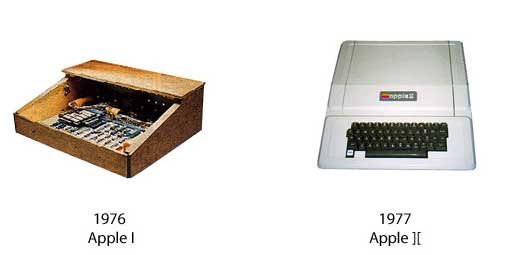
Woz, as nearly everyone calls him, was the technical magician. He designed the Apple I and, more importantly, the Apple II—a machine that helped turn home computing from a hobbyist curiosity into a genuine consumer market. The Apple I was initially a bare board intended for people who knew their way around components, keyboards, monitors and soldering irons. Wozniak designed it with remarkable economy, making more out of fewer chips and fewer resources than many better-funded engineering teams could manage.
Jobs looked at that work and saw something beyond circuitry. He saw a product. He saw an audience larger than the Homebrew Computer Club crowd. And he understood that if the computer was going to matter, it could not merely be clever. It had to be complete, approachable and desirable.
That distinction sounds obvious now because Apple helped make it obvious. In the mid-1970s, it was not.
Jobs and Wozniak had met in 1971 and had already collaborated on Blue Boxes, devices that exploited the phone system to make free long-distance calls. It was a youthful and legally dubious experiment, but it revealed something important. Two men could work together. Wozniak made the technology function; Jobs understood how to package, sell and distribute it.
Their roles at Apple followed the same pattern.
Wozniak was the engineer and circuit designer, focused on elegance, efficiency and inventive design. Jobs was the product visionary and salesperson, focused on usability, presentation and market appeal. Wozniak built the technical foundation, while Jobs saw how that technology could become a business.
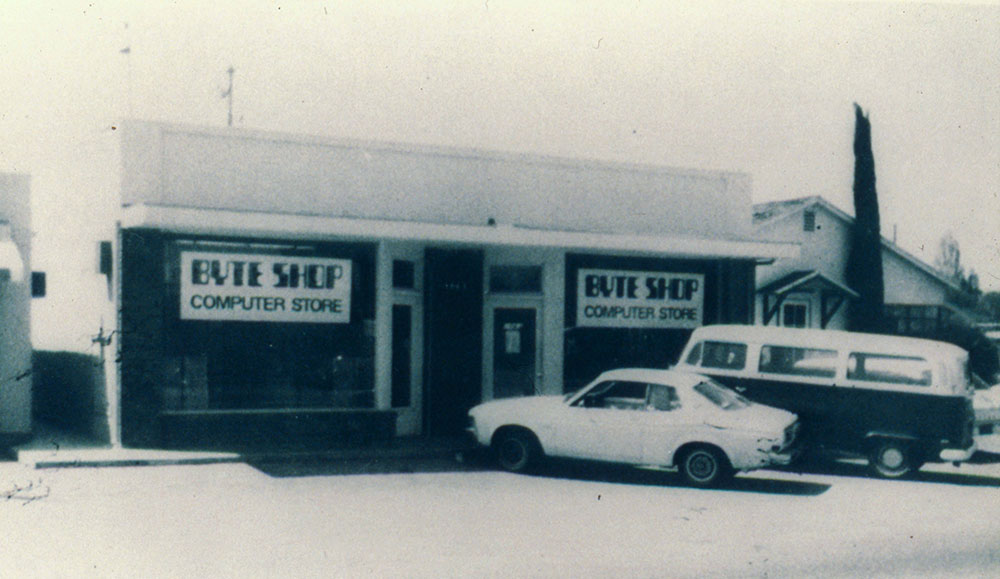
The Apple I demonstrated that Wozniak had built something viable. Jobs then helped transform it from a personal project into inventory. Apple secured an early order from the Byte Shop for 50 Apple-1 computers at $500 apiece, a pivotal moment because it forced the young company to think like a company rather than a couple of friends showing off a remarkable machine.
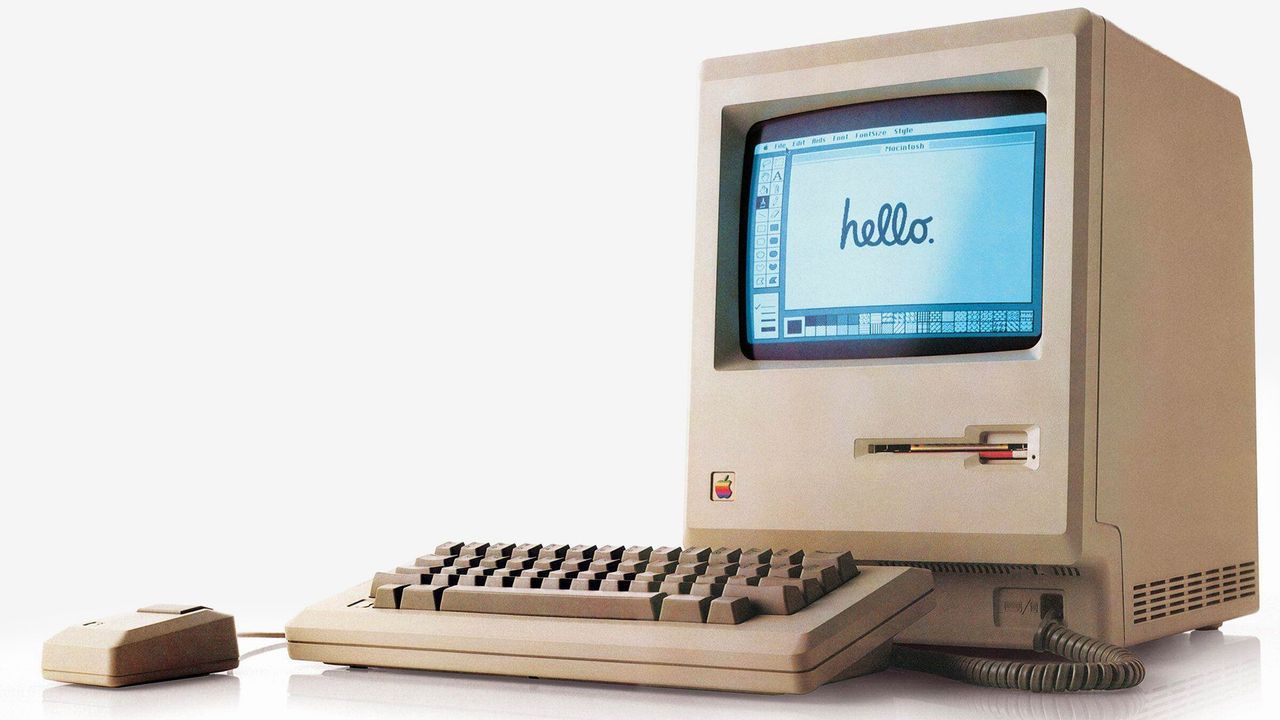
That first computer was still a product for enthusiasts. Buyers had to provide important elements, including a monitor and keyboard. The Apple II was the breakthrough because it was much closer to the thing Jobs believed computing needed to become, a finished consumer product. It came as a self-contained computer with a keyboard, power supply and BASIC stored in memory, and it made color graphics part of the home-computing conversation.
Wozniak engineered the machine. Jobs pushed the expectation that it should feel ready for a real person to take home and use.
That is one of the central lessons of Apple’s beginning. Great technology by itself is not always enough. Great marketing by itself is certainly not enough. The rare outcome comes when a genuine technical leap meets a relentless insistence on the customer experience.
The Jobs family garage in Los Altos remains one of Silicon Valley’s most famous symbols. It is useful as a symbol, but it can oversimplify the story.
Apple was not just built in a garage. It was built through engineering skill, sales instinct, borrowed money, vendor credit, early orders and the willingness to take a strange new category of product seriously. Apple was founded on April 1, 1976, by Jobs, Wozniak and the short-lived third co-founder Ronald Wayne, who soon gave up his stake.
The garage mattered because it represented proximity to the work. There was no bureaucracy, no committee structure and no corporate distance between an idea and the people trying to make it real. But the company’s eventual success was not an accident of location. It came from the fact that Jobs and Wozniak each supplied what the other did not.
Wozniak was not trying to become a global corporate executive. He was a builder at heart. Jobs was not the circuit-board engineer. He was the person who could look at Wozniak’s creation and insist it should be sold, refined, designed, marketed and placed in front of people who had not yet realized they wanted it.
The Apple II became the bridge between those identities. It helped establish Apple as a serious technology business and drove an astonishing early rise. Apple’s sales grew from $7.8 million in 1978 to $117 million by 1980, the year the company went public.
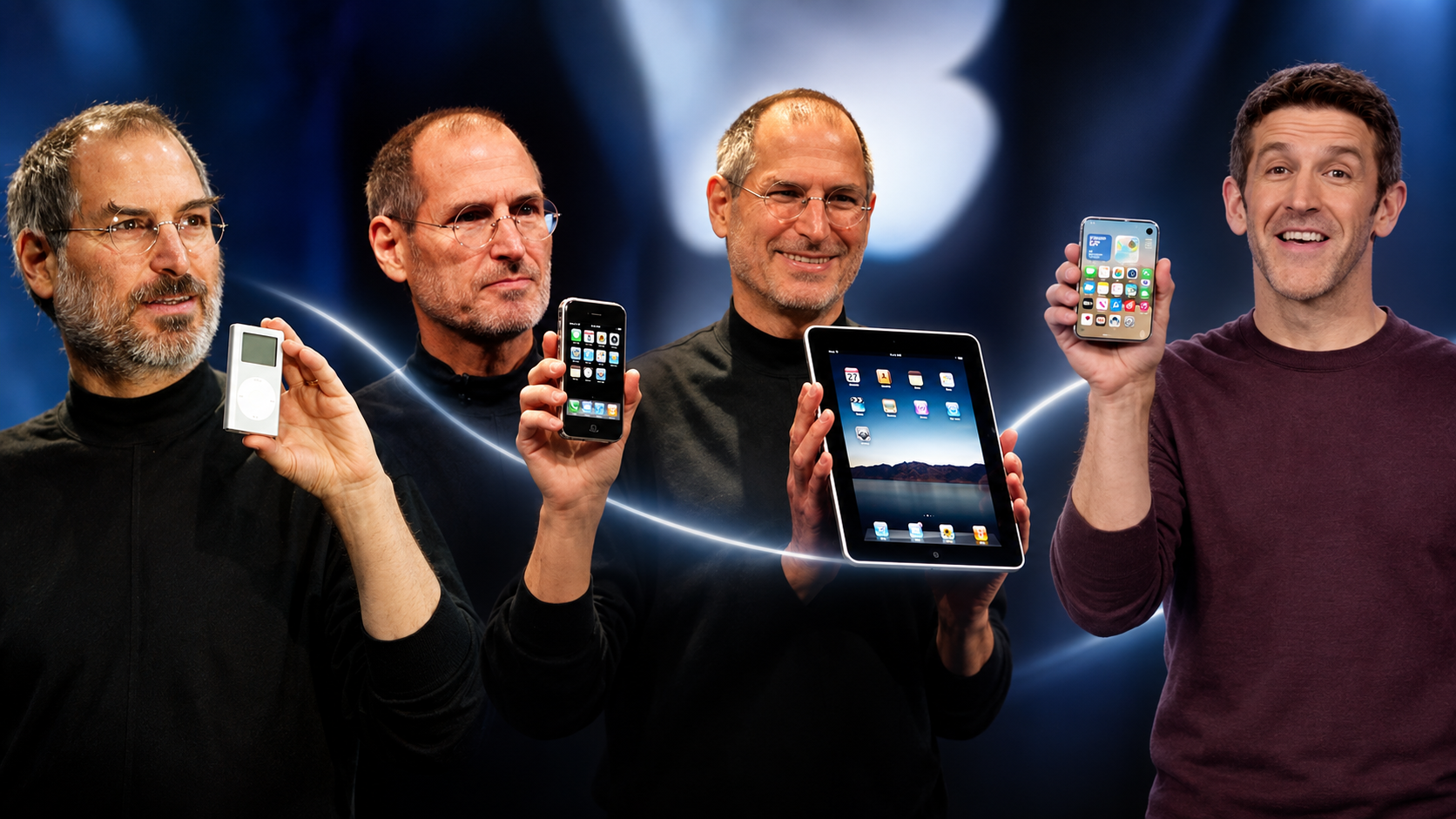
There is a temptation, especially after Jobs’ death, to treat him as the sole author of Apple. His influence was immense and undeniable. He returned to Apple in the late 1990s and became the defining force behind the iMac, iPod, iPhone and iPad eras. He changed how the technology industry thought about industrial design, retail, software-hardware integration and product launches.
But Apple’s original DNA came from the partnership.
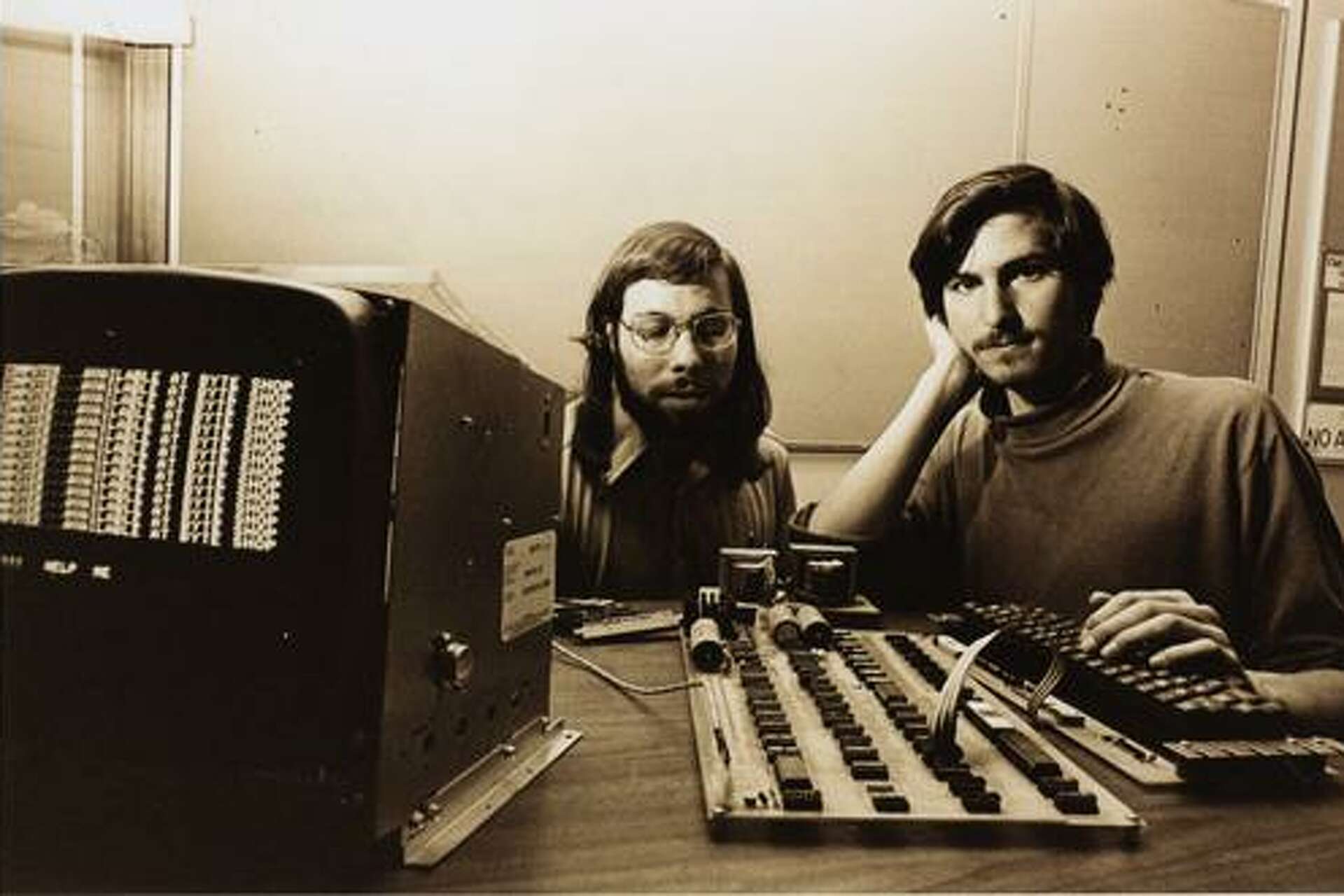
Wozniak provided the proof that a compact, capable personal computer could be built. Jobs supplied the conviction that it should not remain a project for technically inclined people. The best of Apple, even today, can still be read through that founding equation. Serious technology made less intimidating, wrapped in a product experience that asks ordinary people to care about it.
That does not mean the partnership was simple or perpetually harmonious. Jobs could be demanding, confrontational and singular in his vision. Wozniak was more playful, generous and engineering-centered. Their differences were real. So were the tensions that eventually pulled them in different directions.
Yet their differences are exactly why the partnership mattered.
Apple did not emerge because two identical people agreed on everything. It emerged because one person could make the improbable work and the other could make the world want it.
Fifteen years after Jobs’ death, the clearest way to remember him is not by reducing Apple to one man’s legend. It is by appreciating his rare ability to recognize extraordinary talent, attach a larger ambition to it and refuse to accept that great technology should be reserved for specialists.
And the clearest way to understand Wozniak is not as a footnote to Jobs, but as the engineer whose work made the original Apple possible in the first place.
At 50, Apple is a vastly different company from the one that sold a bare circuit board to hobbyists. But the founding partnership still explains its deepest idea. Technology is at its most powerful when invention and imagination meet—when someone can build the future, and someone else can make the future feel inevitable.
When you use the technology everyday learning how it came to be can be thrilling!