Jobs’ Vision, Unfolded
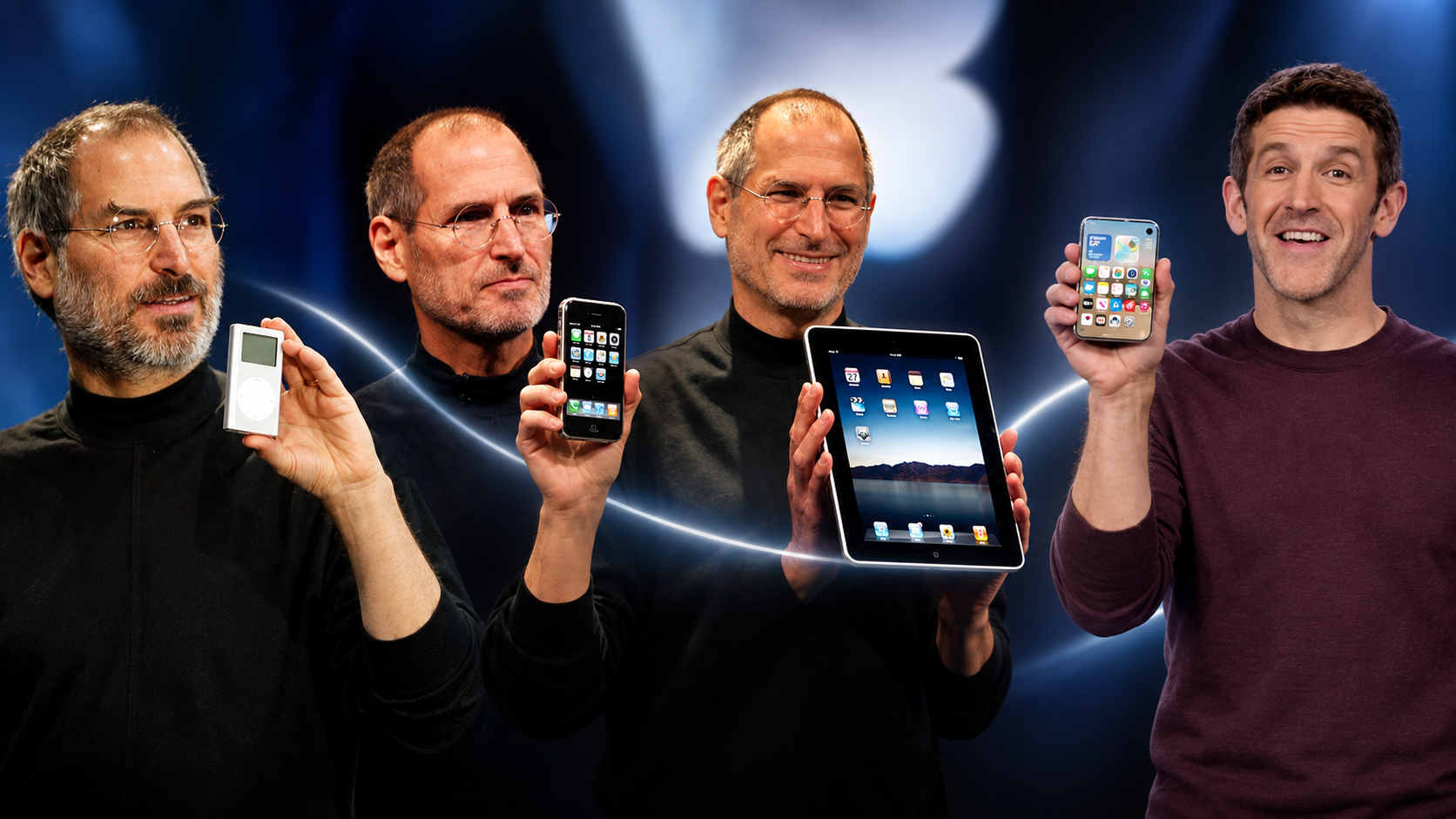
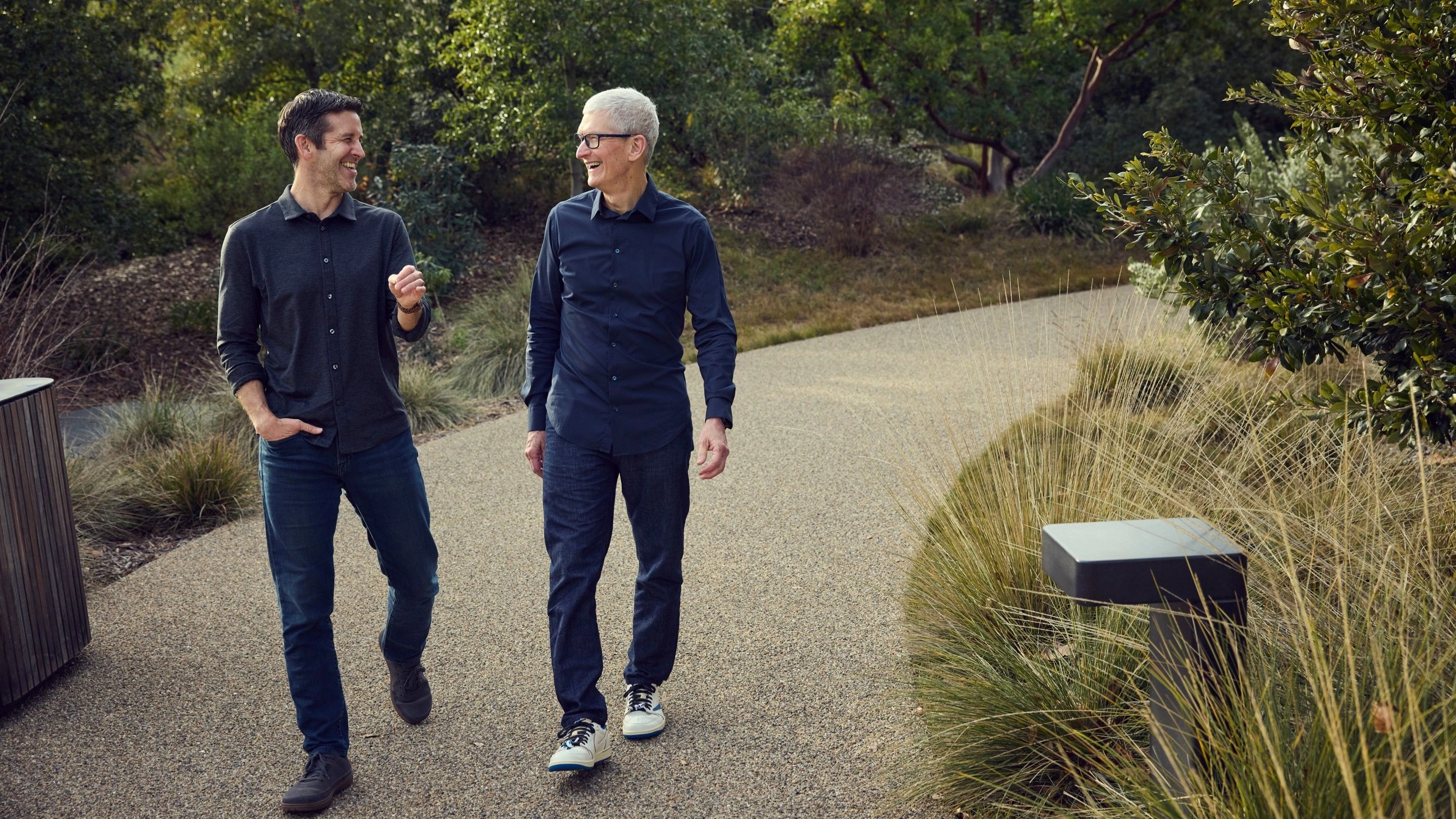
There was something unmistakably familiar about John Ternus introducing the iPhone Duo last week. It was not simply that Apple’s new CEO waited until late in the presentation, paused and said, Actually, there is one more thing. It was the larger idea behind the moment. Apple was again asking us to look at a device we thought we understood and imagine it becoming something more.
That has always been Apple’s favorite magic trick. The company rarely invents a product category from nothing. Instead, it waits, studies what others have done, removes as much friction as possible and presents its version as if this were what the category had been trying to become all along. Ternus followed that script with the Duo, Apple’s first foldable iPhone, which opens into a 7.6-inch display while remaining small enough to fit in a pocket.
The presentation naturally invited comparisons with Steve Jobs, although the two men have very different styles. Jobs was theatrical. He turned a product announcement into a story with suspense, misdirection and a punchline. Ternus is calmer and more engineering-minded. He does not command a stage with Jobs’ combination of humor, certainty and showmanship, but he understands the value of a reveal—and the impossible expectations that come with a presentation being made inside a theater bearing Jobs’ name.
Think back to the iPod in 2001. Jobs did not lead with storage capacity or FireWire transfer speeds, although he eventually explained both. He led with a benefit anyone could understand: 1,000 songs in your pocket. The first iPod held 5GB, weighed 6.5 ounces and cost $399, but those specifications were supporting characters. The real product was the freedom to carry your music library everywhere.
Then came the iPhone in 2007, perhaps the greatest product introduction ever staged. Jobs told the audience Apple was unveiling three revolutionary products. Then called the devices, A widescreen iPod, a mobile phone and an Internet communications device. He repeated the list until the crowd realized all three were the same product. Are you getting it? he asked. Everybody got it, and the phone business was never the same.
In 2010, Jobs positioned the iPad between the smartphone and the laptop. For a new category to deserve a place there, he argued, it had to perform important tasks better than either one. Apple presented the iPad as a more intimate way to browse the web, read email, view photos, watch video, play games and read books. Once again, Jobs did not merely show people a screen. He explained why that screen deserved to exist. [businessinsider](https://www.businessinsider.com/steve-jobs-ipad-keynote-2011-1)
Ternus had a similar assignment with the iPhone Duo, but a more difficult audience. We have seen folding phones before. Samsung and other manufacturers established the category years ago, so Apple could not credibly pretend folding a display was itself revolutionary. Ternus instead argued that current foldables often feel like two phones awkwardly joined together, then presented the Duo as the version that makes the format feel natural.
His reveal also neatly connected Apple’s biggest portable products. Closed, the Duo is an iPhone. Open, it offers an iPad-like workspace, including split-screen multitasking and Apple Pencil support. It is not replacing the iPhone or the iPad so much as collapsing the distance between them. That makes the name Duo especially appropriate: two modes, two familiar Apple experiences and one device.
But the most interesting comparison reaches much further back than the iPod, iPhone or iPad.
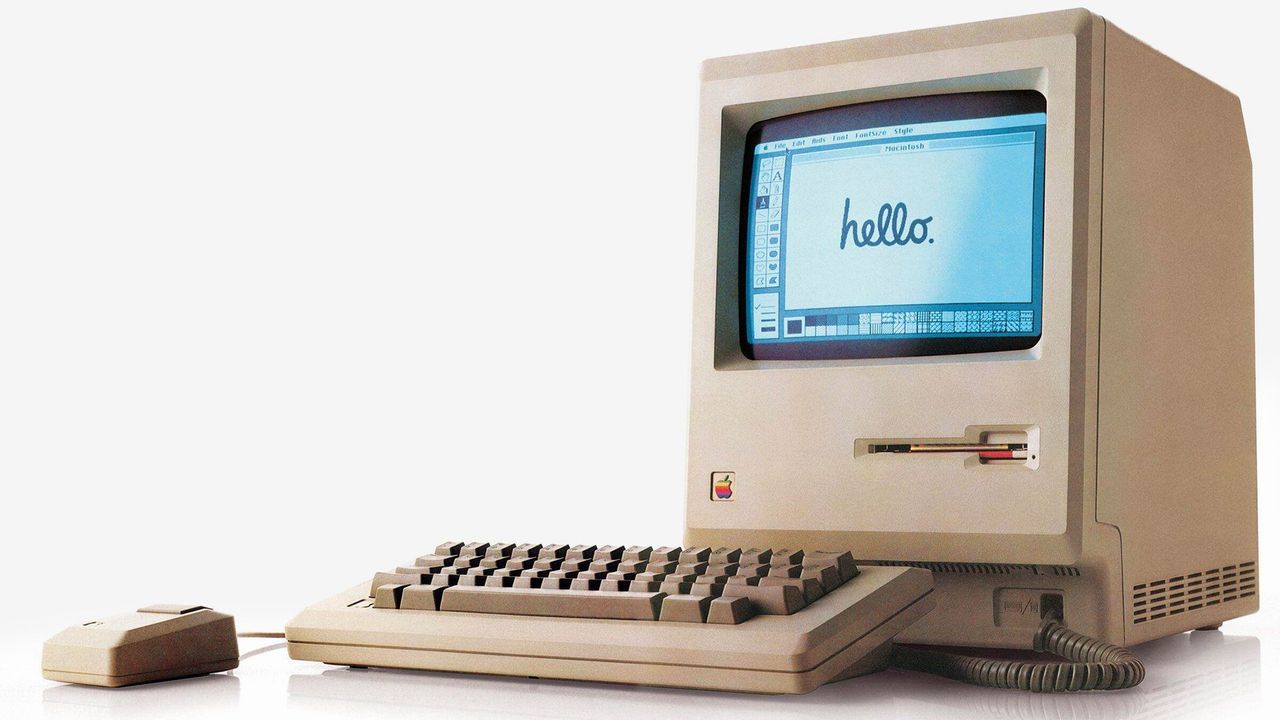
In 1983, Jobs described Apple’s strategy as putting an incredibly great computer in a book that people could carry around and learn to use in 20 minutes. He wanted it to include a radio link so it could communicate with databases and other computers without being physically connected. Jobs admitted that Apple could not yet build it; the technology was impossible at the time.
Nearly 45 years later, that description sounds remarkably close to the iPhone Duo. It is a powerful computer that fits in the hand, opens like a book and maintains a constant wireless connection to an enormous world of information. The iPad was the clearest fulfillment of Jobs’ original vision when it arrived, but the Duo brings the physical metaphor even closer. It does not merely resemble a page. It folds shut like a small book and opens when you are ready to work, read, watch or create.
With that . . . This does not automatically make it a must-buy. At $1,999 to start, the Duo is a luxury product and a first-generation one at that. Here’s the thing, folks: The iPad was the clearest fulfillment of Jobs’ original vision when it arrived, but the Duo brings the physical metaphor even closer. It does not merely resemble a page. It folds shut like a small book and opens when you are ready to work, read, watch or create.
When you use the technology everyday learning how it came to be can be thrilling!