Inside Apple And The Byte Shop
Note: Over the next four months, we’ll finish the Apple At 50 series ahead of the 50th anniversary of Apple officially becoming incorporated on January 3, 2027. Expect more stories about the products, people, risks, and unlikely decisions that turned a small California company into one of modern history’s most consequential businesses.
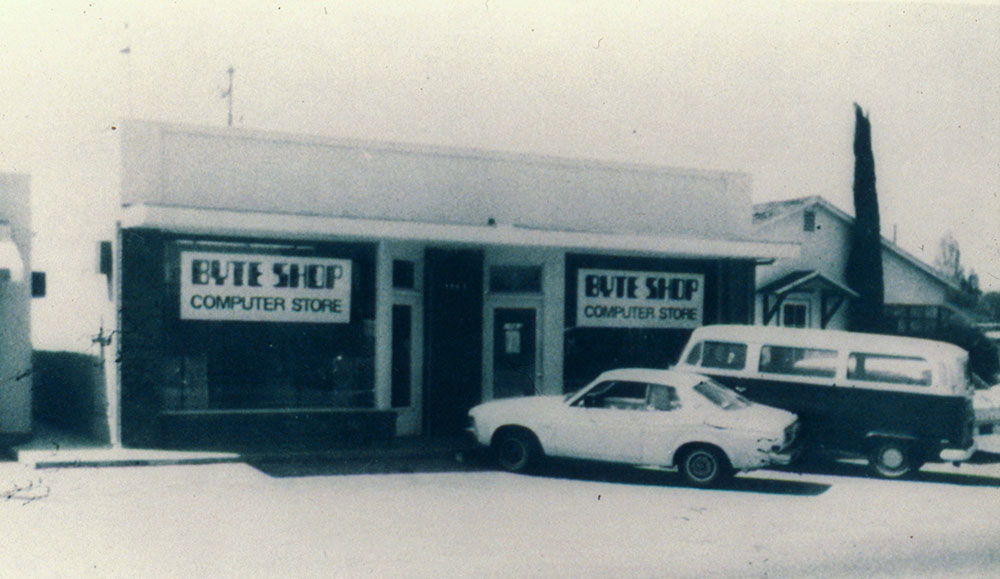
One of those decisions came before Apple had a public reputation, a mass-market product, or even much proof that its unusual little computer company would survive. It was an order placed by Paul Terrell, owner of the Byte Shop in Mountain View, California, for 50 fully assembled Apple I computers. In the mythology of Silicon Valley, it is tempting to reduce the moment to a tidy origin-story anecdote. A young Steve Jobs walked into a computer store, made a pitch, got an order, and Apple was on its way.
The reality was more consequential than that. The Byte Shop order did not merely supply Apple with early revenue. It forced Steve Jobs and Steve Wozniak to confront a question that would define Apple for decades. Were they selling technology to hobbyists, or were they building products for people who expected technology to arrive complete, understandable, and ready to use?
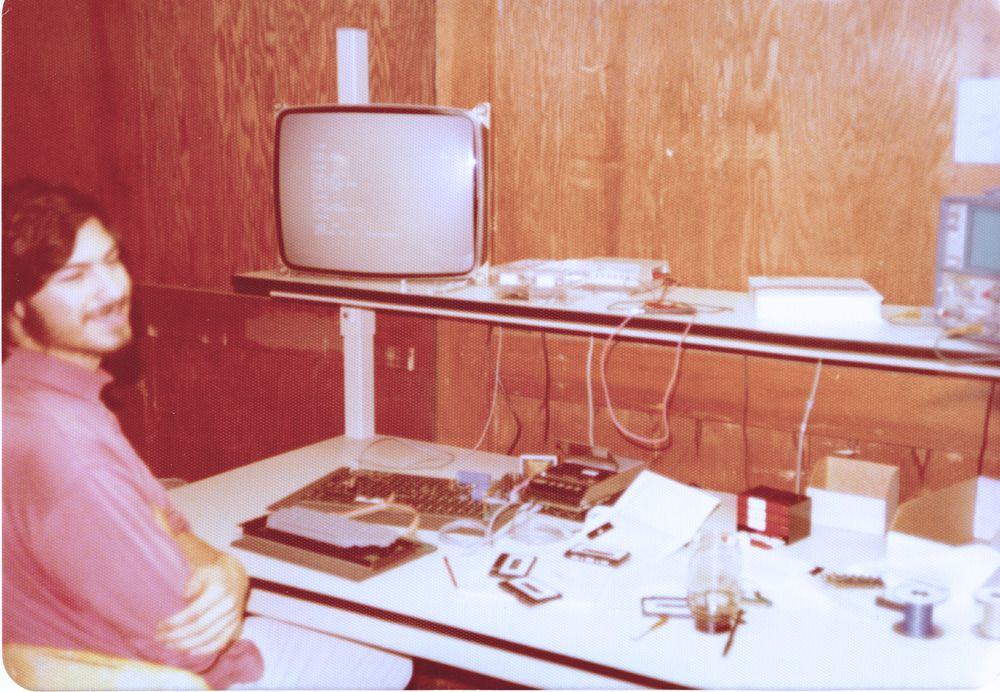
Wozniak had designed the Apple I largely for himself and for fellow members of the Homebrew Computer Club. It was an elegant machine by the standards of the emerging personal-computer scene. The Apple I was compact, comparatively affordable, and capable of displaying output on a regular television. But it was also, at first, a circuit board. Owners were expected to bring their own keyboard, monitor, power supply, enclosure, and technical confidence. That was normal in a culture built around engineers, tinkerers, and people who viewed assembly as part of the fun.
Jobs saw a larger opening. He understood that there were people beyond the hobbyist community who wanted to own computers, even if they did not want to solder components, wire power supplies, or decipher documentation. The computer industry had not yet fully accepted that idea. Mainframes belonged to corporations and universities. Minicomputers belonged to institutions. Early microcomputers belonged mostly to enthusiasts. Jobs was beginning to see the possibility of a personal computer as an actual consumer product.
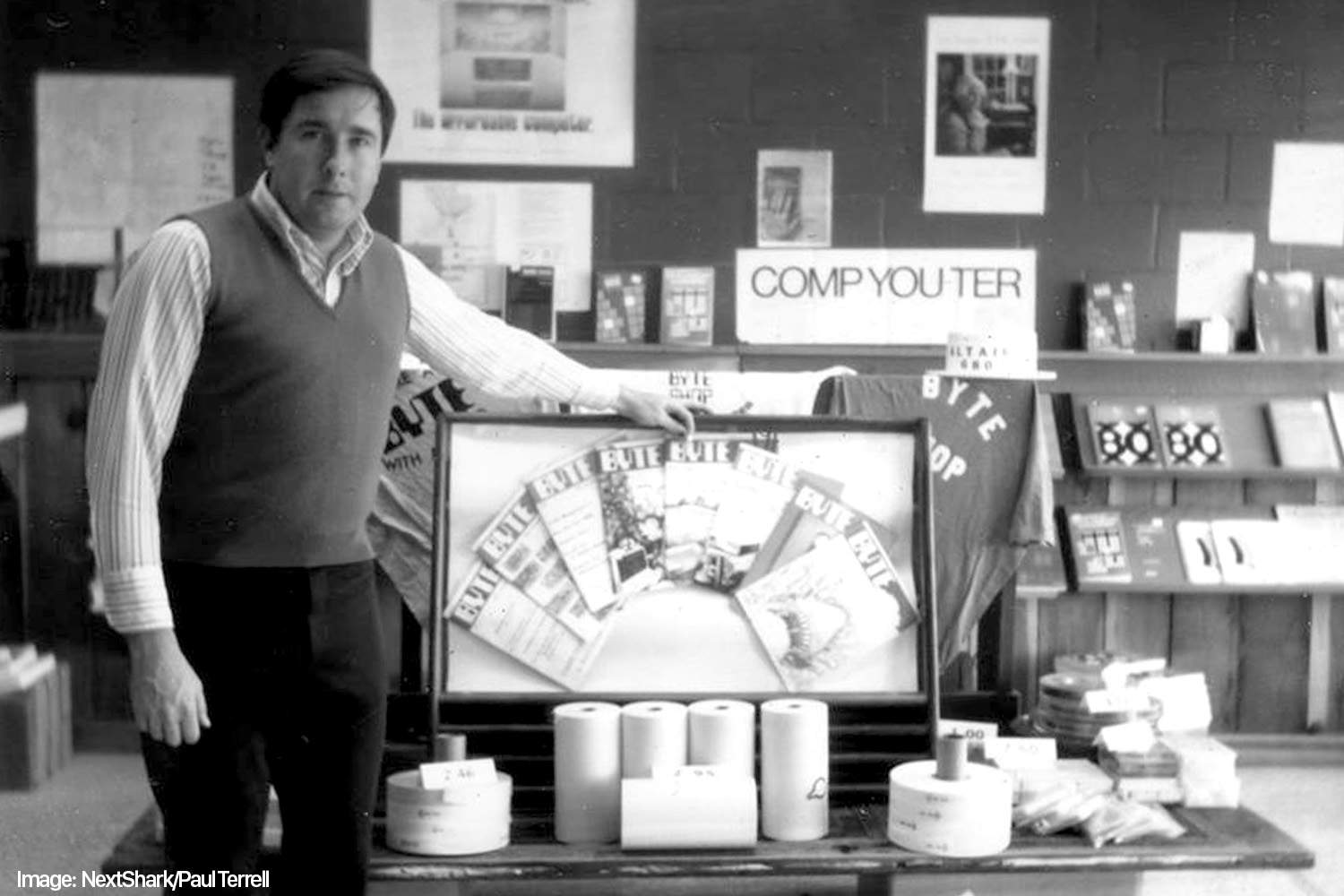
That made Terrell’s requirements so important. According to the familiar account of the deal, Jobs convinced the Byte Shop owner to buy 50 Apple I units at $500 apiece, but Terrell wanted them assembled rather than sold as bare boards. The order for Apple was to deliver working computers, quickly, in a form a retailer could put in front of customers. It was not a promise of limitless success. It was a demanding first test.
For a company operating out of the Jobs family garage, the scale was daunting. Fifty units required parts, money, labor, quality control, and a way to avoid being crushed by the gap between buying components and getting paid for finished machines. Jobs secured parts on credit from suppliers, betting that the Byte Shop payment would arrive in time to cover what Apple owed. Wozniak, meanwhile, had to help turn a design born from personal curiosity into something repeatable enough to manufacture.
That tension—between technological invention and commercial execution—became one of Apple’s foundational strengths. Wozniak supplied the engineering brilliance. Jobs supplied the urgency, the belief in presentation, and an instinct that a product was more than the circuitry inside it. Apple’s first meaningful customer did not buy an abstract idea. The Byte Shop bought a deliverable.
There is also something revealing about the fact that the order came through a retail store rather than a large corporation. Apple’s early path was not built on winning a giant institutional contract. It was built around the belief that ordinary individuals could be computer customers. The Byte Shop itself was part of an emerging ecosystem of specialty retailers that made personal computing visible to the public. These stores gave curious customers a place to see machines, ask questions, compare possibilities, and imagine bringing one home.
The Apple I did not make Apple a household name on its own. Only a limited number were produced, and the machine was quickly eclipsed by the Apple II, which brought color graphics, a molded plastic case, expansion slots, and a more polished vision of what a personal computer could be. Yet the Apple I and the Byte Shop order established the pattern that the Apple II would perfect. Apple would package technology into a product that felt more approachable than the components from which it was made.
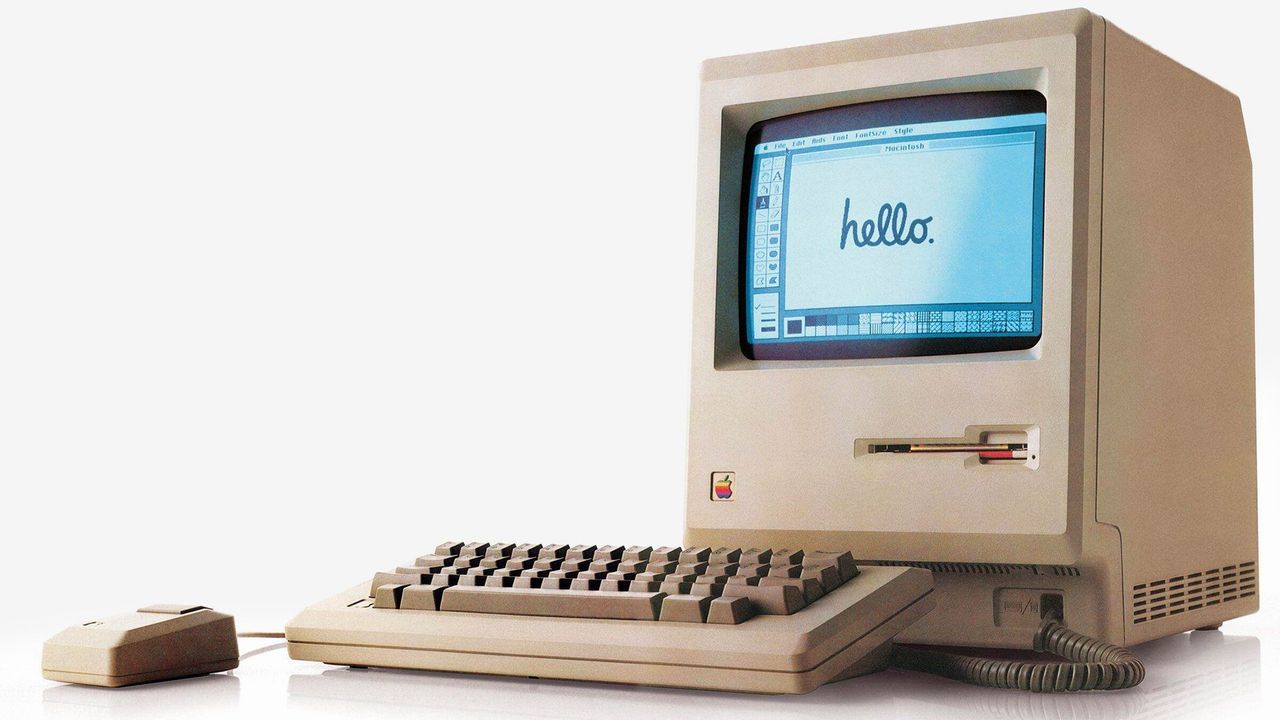
That idea would echo through the Macintosh, iMac, iPod, iPhone, iPad, and Apple Watch. Apple repeatedly found success not by being first to invent every category, but by making the experience more integrated, more legible, and more complete. The company’s best products have often carried the same implicit promise that Jobs shared in 1976, You should not need to be an expert to begin.
The Byte Shop order was therefore not simply Apple’s first significant sale. It was an early declaration of intent. Apple would not be satisfied with selling parts to builders. It would build the thing itself, decide how it should work, shape how it should look, and take responsibility for what happened when a customer turned it on.
Fifty computers may seem almost quaint from the vantage point of a company that now sells hundreds of millions of devices across the world. But those 50 machines changed the scale of Apple’s ambition. They turned a garage project into a company with obligations, deadlines, suppliers, customers, and a reason to believe that the future Wozniak had engineered might actually have a market.
Before Apple changed personal computing, music, phones, and much of the technology industry, it had to prove that it could fill one order.
When you use the technology everyday learning how it came to be can be thrilling!