The Cost Of Dominance
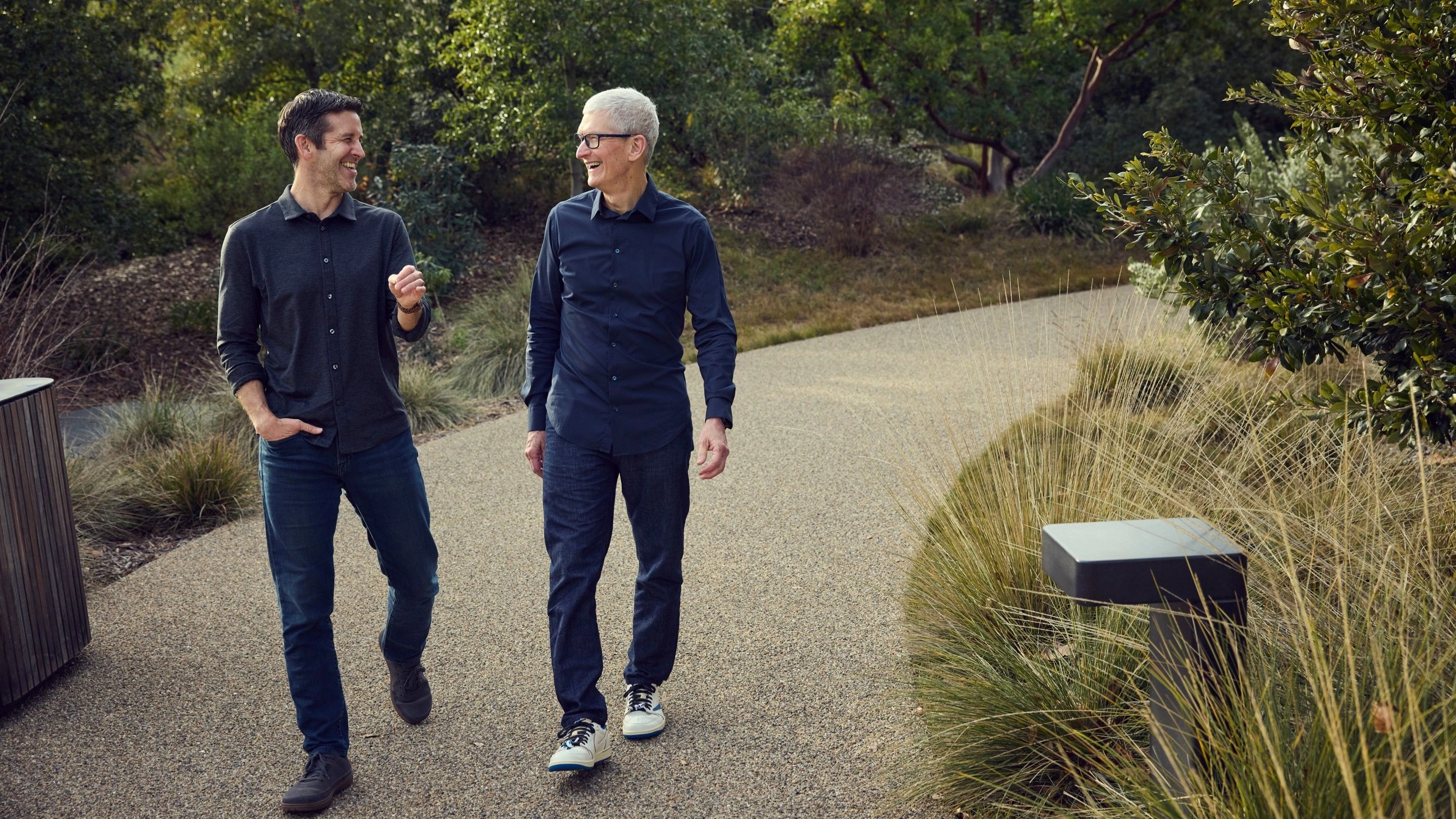
Earlier this week, Tim Cook turned the torch over to John Ternus. Apple announced that Cook would become executive chairman and Ternus would become CEO effective September 1, 2026, after what the company described as a long-term succession process.
That kind of handoff almost warrants a comparison to another giant tech company that had to figure out life after its defining founder stepped back over twenty years ago. That company was Microsoft. Steve Ballmer became Microsoft’s second CEO in 2000, succeeding Bill Gates, and led the company until Satya Nadella took over in 2014.
The easy version of the Ballmer story is that he failed. That is too simple. Microsoft under Ballmer was still a monster business. Windows and Office remained enormously profitable. The company continued building out its enterprise strength. Microsoft credits Ballmer with growing the company’s bottom line, pushing its enterprise strategy, overseeing the launch of Xbox, and investing in cloud.
That matters because Ballmer did not inherit a broken company and leave behind a ruin. He inherited one of the most powerful companies in the world and kept it powerful. The problem was that Microsoft’s power increasingly felt attached to the previous era.
The Xbox is probably one of the cleaner wins from that period. Microsoft entered console gaming at a time when Sony looked dominant, and Xbox eventually became a lasting pillar of the company’s consumer business. It was not just a side experiment. It gave Microsoft a real identity in gaming, online services, and living-room entertainment.
But the lows were loud. Microsoft spent much of the Ballmer era trying to defend Windows as the center of computing while the center of computing moved somewhere else. Search moved to Google. Music moved to the iPod and iTunes. Smartphones moved to the iPhone and Android. Tablets moved to the iPad and Android. Microsoft was not absent from these categories, but it rarely set the pace.
The Nokia deal became the symbol of that miss. Microsoft completed its acquisition of Nokia’s Devices and Services business in April 2014, hoping to strengthen its position in mobile. By then, though, the smartphone market had already hardened around Apple and Google. Ballmer saw mobile mattered. Microsoft just got there too late, with too little developer gravity and too much dependence on Windows as the organizing idea.

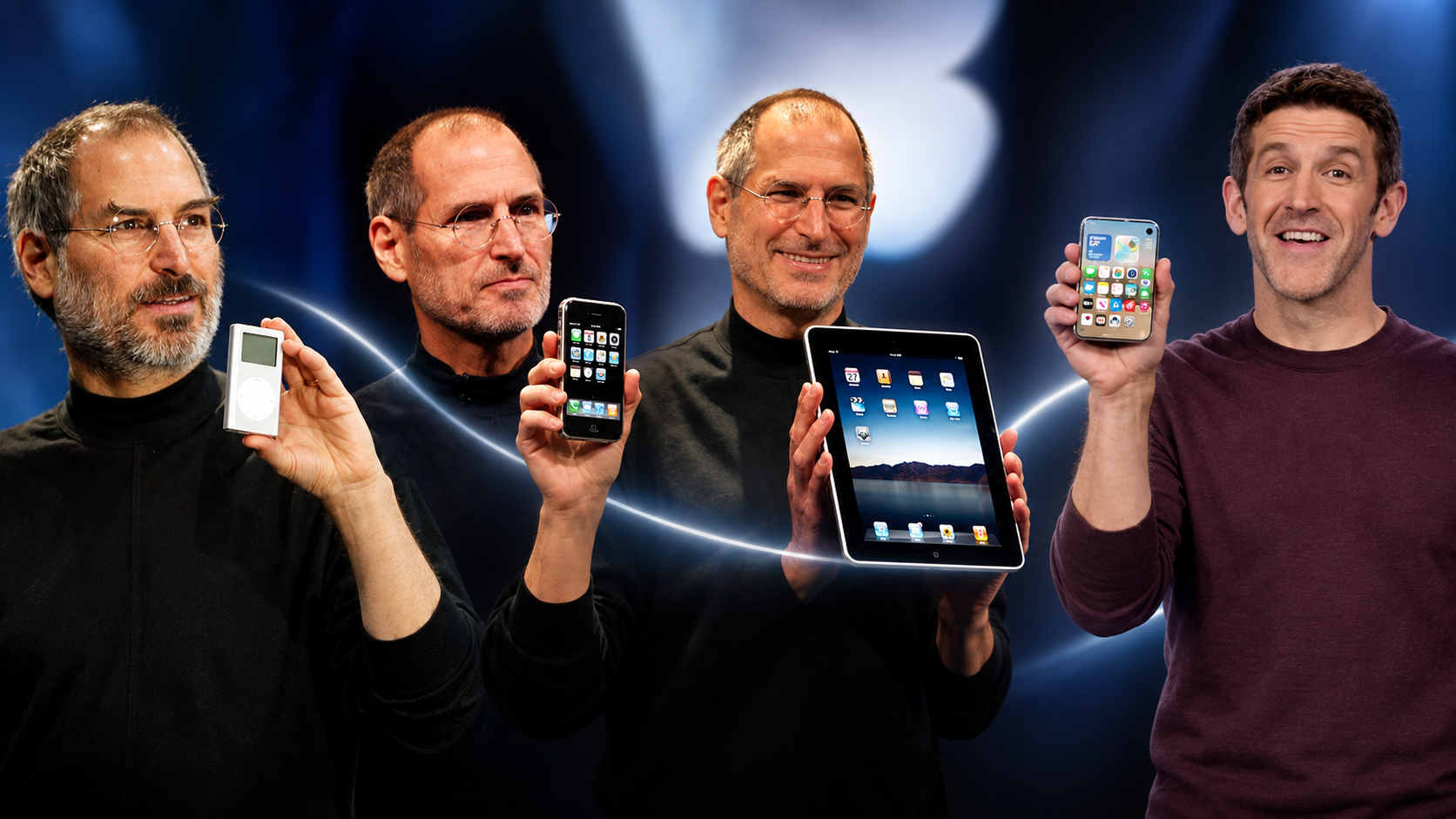
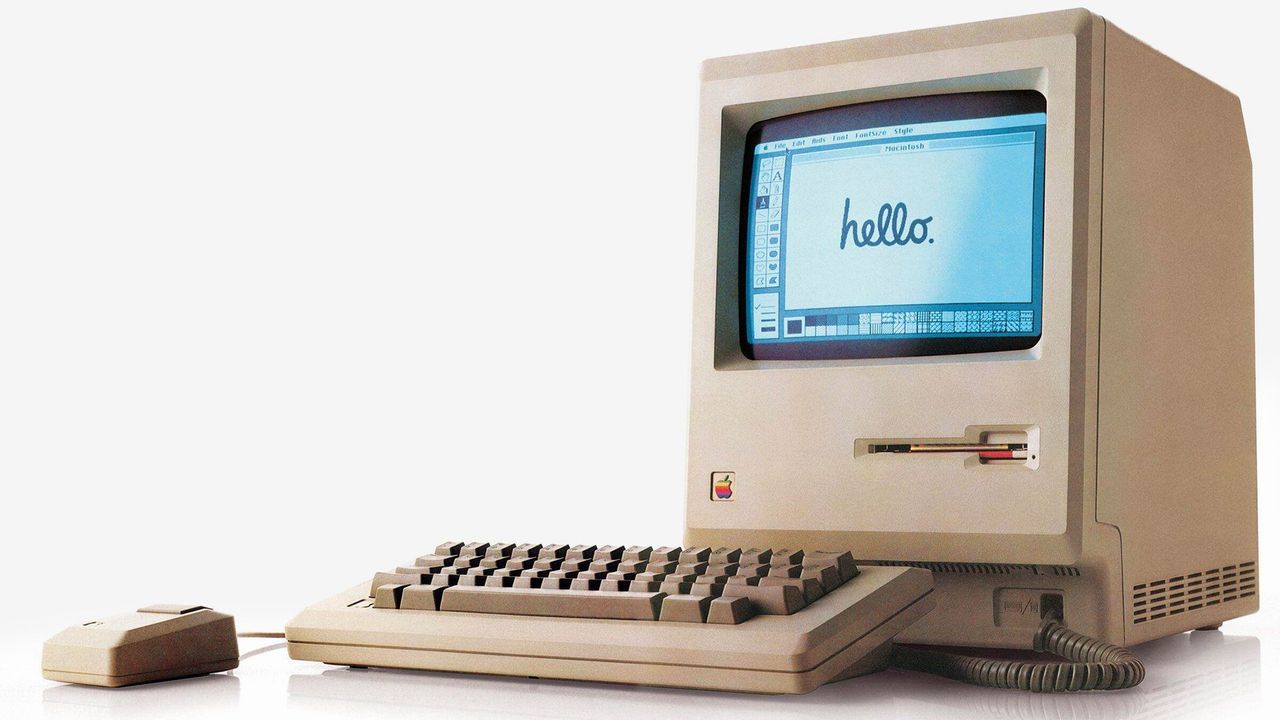
Cook’s Apple had a different challenge. He took over in 2011 after Steve Jobs had already delivered the iMac, iPod, iPhone, iPad, iTunes, App Store, and the modern Apple retail machine. Cook was not being asked to rescue Apple. He was being asked to preserve magic after the magician was gone.
And by the most obvious business measures, he did that spectacularly well. Apple became one of the most valuable companies in the world under Cook. The iPhone turned from a breakthrough product into the center of a global platform. Services became a huge engine for the company, with Apple reporting an all-time Services revenue record in its fiscal 2025 fourth-quarter results.
Cook also deserves more credit than he gets for product-era wins. Apple Watch was introduced in 2014 as Apple’s most personal device ever, and it eventually became a major health, fitness, and wearable platform. AirPods, announced in 2016, turned wireless earbuds into a mainstream habit and another sticky piece of the Apple ecosystem.
The biggest Cook-era technical win, though, was Apple Silicon. In 2020, Apple announced that the Mac would transition from Intel processors to its own custom chips, promising better performance and deeper integration across the Mac lineup. That move gave the Mac a new identity and reminded people that Apple could still make a deep technical bet that changed the everyday product experience.
Still, Cook’s Apple had its own version of the Ballmer problem. The company remained rich, admired, and central, but it also became more cautious. The iPhone stayed incredible, but year-to-year changes often felt incremental. Apple’s ecosystem got stronger, but the company did not always feel like it was defining the next frontier.
That became especially clear with artificial intelligence. Apple announced Apple Intelligence, but Siri improvements were delayed, with Apple saying in 2025 that some planned AI upgrades would arrive later than expected. For a company that once made multitouch feel like the future overnight, Apple suddenly looked like it was explaining why the future needed more time.
Vision Pro also captures the tension of late Cook-era Apple. Apple introduced it in 2023 as its first spatial computer, with a starting price of $3,499. It was bold, technically impressive, and very Apple in its ambition. But it also felt heavy, expensive, and unclear as a mainstream product. Maybe history will be kinder to it. Maybe it becomes the Newton before the iPhone. But during Cook’s tenure, it landed more like a question than an answer.
That is where Ballmer and Cook really meet. Ballmer’s Microsoft was too attached to Windows. Cook’s Apple was, at times, too attached to the iPhone. In both cases, the core business was so successful that it became hard to risk disrupting it.
Here’s the thing, folks: The difference is that Cook never let Apple lose its cultural gravity. Ballmer left Nadella a company that needed a philosophical reset. Cook leaves Ternus a company that is still dominant, still trusted, still wildly profitable, but clearly entering a more uncomfortable chapter.
With that . . . Ternus does not have to save Apple. That is not the job. The job is harder in a different way. He has to prove Apple can still surprise people after 15 years of mastering refinement.
When you use the technology everyday learning how it came to be can be thrilling!